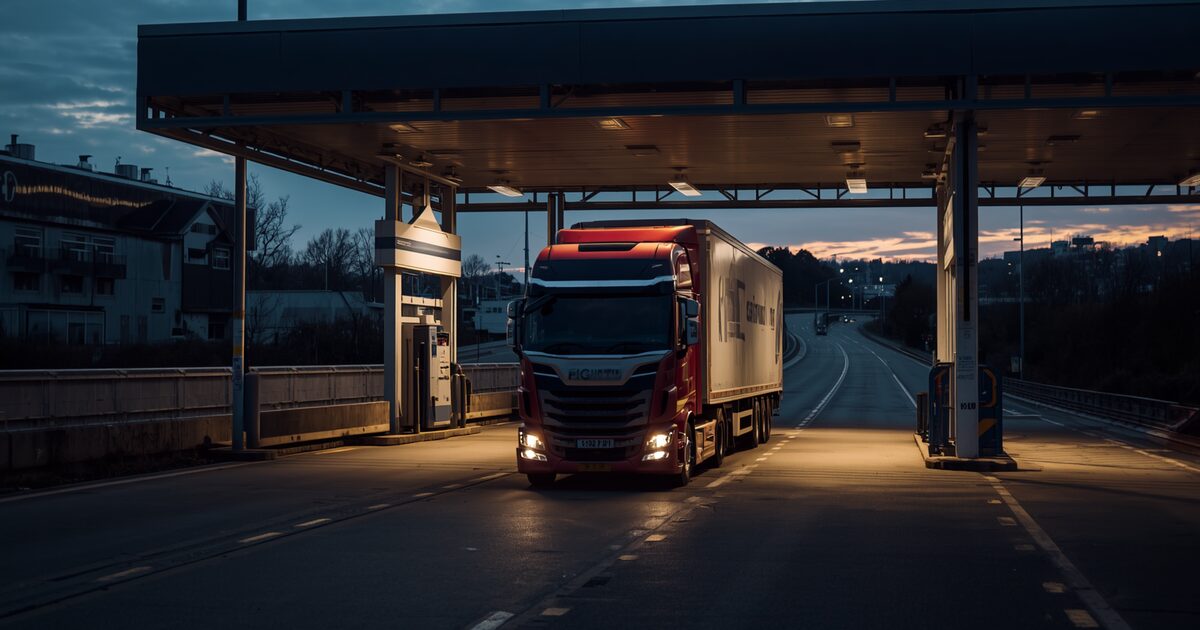
HGV & Lorry Drivers: How to Find the Cheapest Diesel Across the UK in 2026
At 182.7p per litre, UK HGV diesel is squeezing profit margins. Complete guide on fuel cards, truck stops, real-time tracking, and AdBlue sourcing for commercial drivers.
The HGV Diesel Cost Crisis in 2026
For lorry drivers and hauliers, diesel at 182.7p per litre is an existential challenge. An articulated HGV covering 100,000 miles per year at 8 MPG consumes approximately 56,800 litres of diesel — costing £103,800 annually at current prices. That is a 22% increase compared to January 2025 prices, equivalent to £18,700 in additional fuel costs per vehicle since the Iran conflict began. For operators running thin margins in a competitive freight market, this is the difference between profit and loss.
The good news is that HGV operators have more fuel-saving tools available than car drivers — HGV-specific fuel cards, bulk delivery contracts, specialist truck stop networks, and professional driver training programmes can collectively reduce fuel spend by 15–25% compared to ad-hoc filling at retail forecourts.
Best HGV Fuel Cards in the UK
HGV fuel cards differ from consumer fuel cards in several important ways: they accept high-flow diesel pumps, are designed for overnight facilities, and often include AdBlue purchases. The leading options are:
Keyfuels: The largest HGV-specific network with 3,300 sites including all major UK truck stops and many motorway services. Fixed weekly prices typically 3–6p below pump average. Includes AdBlue at most sites. Monthly consolidated VAT invoicing.
DKV: The premier choice for international haulage with acceptance across 24 European countries. UK network of approximately 2,000 sites. Essential for operators running continental routes regularly.
Allstar Business Solutions: 7,500 sites including car stations and HGV sites. Better for mixed fleets where both vans and HGVs need to fill. Slightly less HGV-specific than Keyfuels but excellent coverage.
Esso Card: Access to Esso motorway service stations with high-flow HGV lanes. Premium branded fuel but with card discounts that partially close the gap to supermarket prices. Good for drivers who need guaranteed high-flow pumps on time-critical routes.
Cheapest UK Truck Stops for Diesel
Diesel prices at truck stops vary significantly. Motorway service HGV lanes (Welcome Break, Moto, Roadchef) typically charge 5–10p per litre more than dedicated truck stop operators. The cheapest diesel for HGVs is generally found at:
Certas Energy truck stops — typically 4–8p below motorway services. Sites at Corby, Swindon, and multiple M1 and M6 corridor locations. GPF & Keyfuels depot sites — bulk supply points that also serve passing trade, often the cheapest option but with limited catering. Independent truck parks on A-roads — price competition with nearby motorway services keeps prices keen. Use FuelFinderLive's HGV filter (in development) or Keyfuels' network locator to identify these sites on your regular routes.
Route Planning for Fuel Savings
Strategic route planning around cheap diesel locations can save £8,000–£15,000 per vehicle annually. The principle is simple: plan fuel stops at the cheapest points on your route rather than the most convenient. A 5-mile detour to save 8p/litre on a 500-litre fill saves £40 minus approximately £2 in extra fuel for the detour — a £38 saving in 10 minutes. Use your fuel card network's site locator combined with FuelFinderLive's price data to identify cheap fuel corridors on your regular routes. Brief your drivers on your preferred fuel sites and the reasoning — driver buy-in is essential for consistent compliance.
AdBlue: Cost and Where to Source
Euro 6 diesel HGVs require AdBlue (diesel exhaust fluid) at a consumption rate of approximately 5–8% of diesel volume. At current retail prices of £0.45–£0.80 per litre (depending on source), AdBlue adds £600–£1,200 per vehicle per year. Significant savings are available by purchasing AdBlue in bulk (IBC totes of 1,000 litres at £0.38–£0.45/litre from agricultural suppliers or fuel distributors) rather than at truck stop retail prices (£0.60–£0.80/litre). If your depot has suitable storage, a bulk AdBlue tank with delivery from Certas, Crown Oil, or an agricultural supplier can halve your AdBlue cost.
HGV Fuel-Efficient Driving Techniques
Professional HGV driver training in fuel-efficient techniques typically delivers 8–15% fuel economy improvement. Key techniques specific to HGV driving include: using the highest appropriate gear (modern automated gearboxes handle this automatically, but manual drivers should change up at 1,200–1,500 RPM), maintaining a 7–8 second following distance to allow early reaction and gentle braking, using engine braking on descents rather than service brakes (saves brake wear as well as fuel), planning fuel stops to avoid excessive idle time (idling a diesel HGV consumes approximately 2 litres per hour), and using predictive cruise control on motorways where available (anticipates gradients and optimises acceleration/deceleration to minimise fuel use).
HGV Driver Action Plan
Immediate steps every HGV operator should take: audit current fuel card arrangements and compare rates against Keyfuels, DKV, and Allstar — the market is competitive and a better deal is often available. Identify your 5 highest-volume fuel routes and plan specific cheap-fuel stops on each. Implement a driver fuel economy monitoring programme using your tachograph data — league tables of MPG by driver consistently motivate improvement. Evaluate bulk AdBlue procurement if you have depot storage. Schedule a fuel-efficient driving refresher for drivers whose MPG is consistently below fleet average. At £103,800/vehicle/year in fuel costs, a 10% improvement saves £10,380 per HGV — more than enough to justify every investment in training and planning.
Find the Cheapest Fuel Near You
Use FuelFinderLive to compare live petrol and diesel prices at stations in your area.
⛽ Find Fuel Now