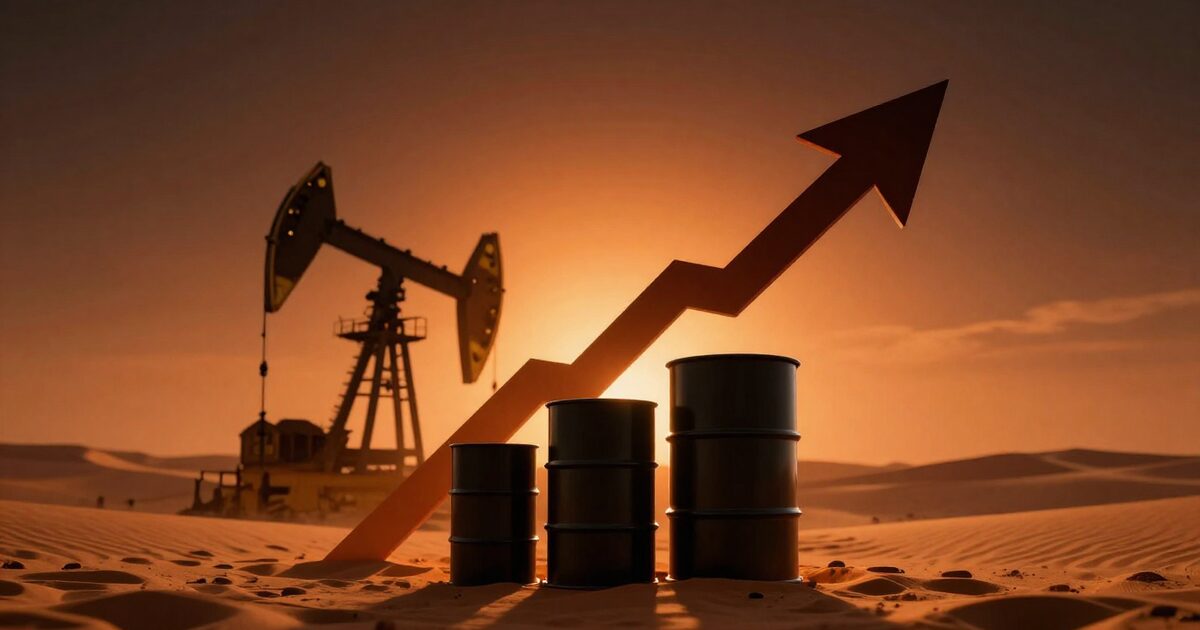
How the Iran-US War Is Driving UK Petrol Prices Above 150p Per Litre
Since 28 February 2026, US-Israeli strikes on Iran have triggered a chain reaction across global oil markets. We trace the exact path from Tehran to your local petrol pump.
Timeline: How It Unfolded
28 February 2026: US and Israeli aircraft launched coordinated strikes on Iranian nuclear enrichment facilities and the Kharg Island oil terminal — Iran's largest crude export hub, responsible for around 90% of its oil exports. Within hours, Brent crude jumped from $82 to $94 per barrel.
1–7 March 2026: Iran retaliated with drone and missile attacks on Saudi and UAE shipping infrastructure. Insurance costs for tankers transiting the Persian Gulf and Strait of Hormuz surged fivefold. Several major shipping lines temporarily suspended Gulf operations.
8–14 March 2026: Brent crude reached $103/barrel — a 25% increase in two weeks. UK wholesale petrol costs (spot price) rose 11.6p/litre. Retailers began passing this through at the pump.
15–31 March 2026: UK average petrol climbed from 138.9p to 152.9p (+14p). Diesel rose even more sharply from 153.7p to 182.7p (+29p) due to additional constraints on middle-distillate supply from the Gulf region.
The Mechanics: Crude to Pump in 4 Steps
Understanding why a conflict in Iran reaches your petrol station within days requires understanding the four-step transmission mechanism. Step 1: oil is traded on global futures markets where prices respond instantly to geopolitical risk. A strike on Iranian infrastructure moves the price before a single extra barrel is affected. Step 2: crude oil is shipped to refineries, with tanker insurance and freight costs rising during conflict — adding another 1–3p/litre to the landed cost of crude in the UK. Step 3: refineries process crude into petrol and diesel, with their wholesale price following the crude spot price on a 2–3 week lag. Step 4: retailers adjust pump prices as their wholesale contracts are repriced, typically with a 1–2 week lag after the wholesale price moves.
The whole chain from geopolitical event to pump price typically takes 3–6 weeks, but because markets are forward-looking, some of the move happens within days of the initial news.
Brent Crude Impact on UK Prices
As a rule of thumb, a $10 rise in Brent crude adds approximately 5–7p per litre to UK pump prices (after allowing for fuel duty, VAT, and exchange rate effects). The Iran conflict drove Brent from $82 to a peak of $107/barrel in mid-March — a $25 increase. This translates to roughly 12.5–17.5p/litre at the pump, which aligns closely with the actual petrol increase of 14p seen during this period. Diesel moved more (29p) due to additional supply constraints specific to middle distillates sourced from the Gulf region.
Price before and after the conflict began:
| Date | Petrol (p/l) | Diesel (p/l) | Brent ($/bbl) |
|---|---|---|---|
| 27 Feb 2026 | 138.9 | 153.7 | 82 |
| 14 Mar 2026 | 148.2 | 170.1 | 103 |
| 31 Mar 2026 | 152.9 | 182.7 | 107 |
£307 Million: The Cost to UK Drivers
The UK has approximately 40 million licensed drivers. Assuming an average weekly fill of 35 litres, the 14p/litre petrol increase costs each petrol car driver an additional £4.90 per fill, or about £255 per year. Diesel drivers face a 29p increase, costing an average of £10.15 per fill — approximately £528 extra annually. Across the entire UK driver population, the additional cost compared to pre-conflict prices runs to approximately £307 million per month. For businesses operating diesel fleets, the impact on operating margins is severe.
3-Month Forecast & Scenarios
Scenario 1 — De-escalation (probability ~25%): A ceasefire or diplomatic agreement reduces the risk premium in oil. Brent falls back to $80–85. UK petrol drops to 138–142p and diesel to 158–165p by June 2026. Scenario 2 — Stalemate (probability ~55%): Conflict continues at current intensity without major escalation. Brent stays in the $95–110 range. UK petrol hovers between 148–158p and diesel between 178–190p through the summer. Scenario 3 — Escalation (probability ~20%): The Strait of Hormuz is partially or fully blocked. Brent spikes above $130. UK petrol could reach 170–180p and diesel could approach £2/litre. The Bank of England and Treasury have contingency plans for this scenario but they involve strategic reserve releases rather than price caps.
How to Protect Yourself Right Now
The most immediate action you can take is to use FuelFinderLive to find the cheapest fuel near you. In a high-price environment, the spread between the cheapest and most expensive local station widens — it is not unusual to see a 15p/litre variation across stations in the same town when prices are volatile. Filling consistently at the cheapest local station rather than the most convenient can save £200–£400 per year at current prices.
Beyond immediate savings, consider reviewing your driving style (smooth acceleration and maintaining 60mph on motorways rather than 70mph improves fuel economy by 15–20%), keeping tyres properly inflated (under-inflation increases fuel consumption by 1–3%), and if you are planning a vehicle change, evaluating whether an EV or plug-in hybrid makes financial sense given the current elevated fuel price environment.
Find the Cheapest Fuel Near You
Use FuelFinderLive to compare live petrol and diesel prices at stations in your area.
⛽ Find Fuel Now